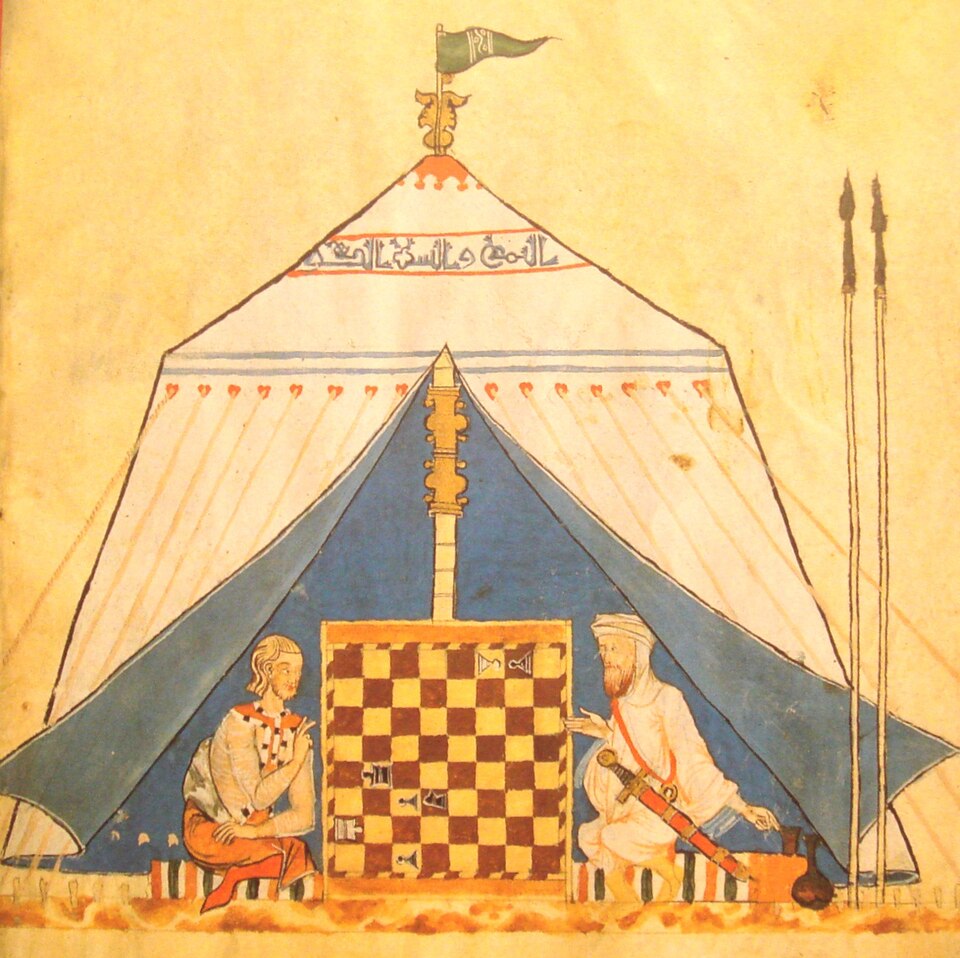
The history of Chess dates back over a thousand years, beginning in India and spreading through Persia to Africa, Europe, and the rest of the world.
The piece that we use in Castles comes from the Rook in Chess. The word Rook comes from the Persian word rukh, which means “chariot”. However, in other languages the piece is known as a Tower, Ship, or Cannon. The appearance of the piece evolved from being a tower on the back of an elephant, to just the tower alone.
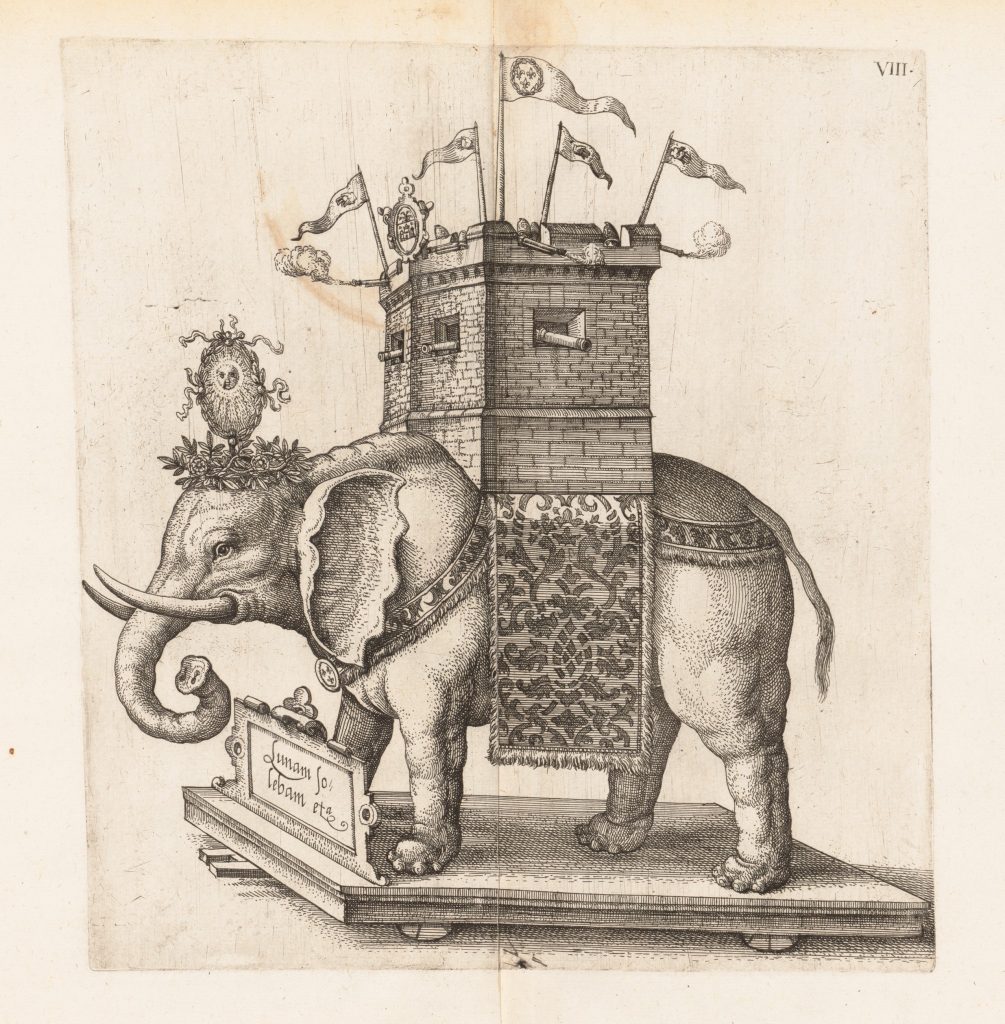
The rook is also sometimes informally referred to as a “castle,” but that’s not the accurate definition of a castle in chess. In chess, the term Castle is a move involving both the rook and king. Castling is the only move in chess in which two pieces are moved at once. Similarly, in our boardgame, you also move two pieces in a single turn. Castling is part of the official rules of chess in most areas of the world, but was added hundreds of years after the original game.
Our game stands as a continuation. The game of chess evolved throughout the centuries as different cultures evolved the rules as society evolved. Castles is the modern version of that process. A game with new rules shaped by the reality of our world today. A game that will pass a better future on to the next generations, all while remaining fun.
Download the book with all of this information here.