Crypto = Wild swings, instability, lack of security, vulnerable to hacking
Dollar = Constantly inflating, vulnerable to government mismanagement, loses value every year under Fed policy, difficult to preserve wealth with
RE = A new currency. Secure. Stable. Non inflating. Allows you to store and maintain wealth.
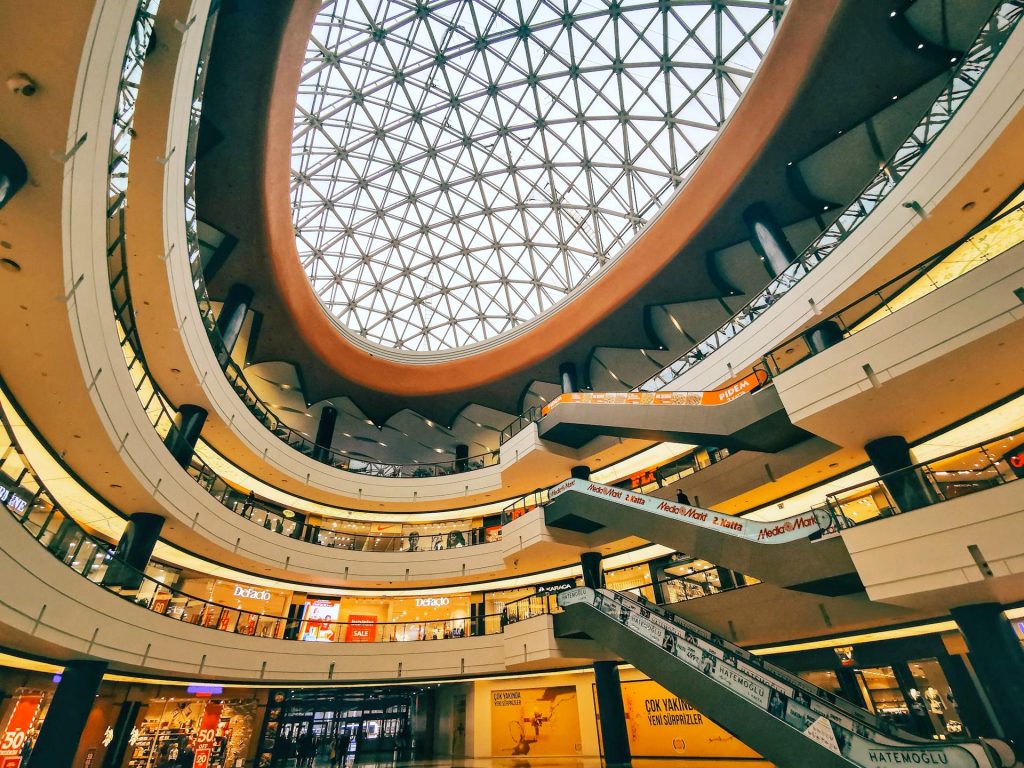
Our currency is integrated with all of our communities and sites, both residential and commercial. You can pay your rent and mortgage with this currency. You can shop, dine, and spend this currency at any of the vendors within our commercial complexes. If you are an employee, you can be paid in this currency. And it all remains protected from the wild swings, instability, and inflation of cryptocurrency and the dollar.
Contact us to find out more. contact@refor.sale

One of the benefits of a representative democracy is that political and government leaders represent the average person. Unfortunately, they also carry with them average knowledge of economic and monetary policy, which can even further be weakened by polar political stances. Our currency, unlike the US Dollar, is created and managed by economic experts, who’s sole interest is the stability and preservation of the wealth of all involved.
Cryptocurrency put more power into the people’s hands. No longer dependent on government, technology experts are able to create new forms of digital currencies, with new coins popping up almost every week. However, this system has gone to the other extreme. While the dollar is centralized and controlled by the government, crypto has no central control or authority in place to keep it stable. This leads to wild price fluctuations that can make conducting transactions difficult. New coins can be created through “mining,” but this process is reserved for technological experts, and takes power away from the average user, making crypto much less democratic than was marketed to be. Large whales can drastically affect crypto markets within seconds of making a single transaction, again taking power away from the average user, and making the value of your holdings unsafe.
Traditional forms of money and stores of value in the form of metallic currencies, such as gold and silver, are no longer as safe to hold as they once were. We now have technology that can create those metals in a lab as if by alchemy, threatening to completely wipe out the rarity that made those metals valuable.
Our currency remains stable, secure, and equitable. Whether you have one or one million, your value is protected, and you always get back out what you put in. You create your value, and we simply provide a currency that doesn’t take it away.
Real Equity – RE
We recognize that due to the dollar’s widespread use, and relative stability within each year, it is effective as a medium of exchange. While crypto’s price can fluctuate by the hour, the dollar is more stable over the medium term. However over the long term, the dollar struggles with maintaining its value, and has had a track record of severe depreciation. What we offer is a store of value that doesn’t depreciate. Our currency is also medium of exchange within our ecosystem of vendors and sites. However, you are free to convert this currency into dollars, or any other currency, at any time to conduct transactions outside of our ecosystem.
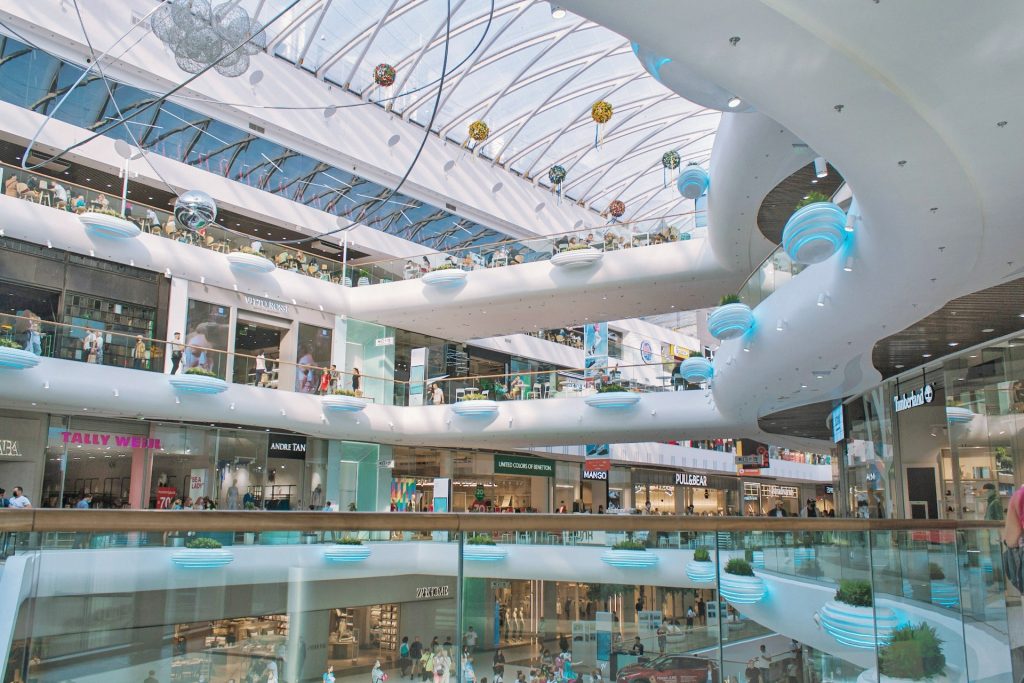
Within our ecosystem and central currency issuer, we maintain accounts specific to each user, and a ledger that records all transactions and who holds what. The value of our currency is engineered to maintain a stable valuation based upon calculations that factor in the current value of land, labor, household goods, and other products in the market.
The following images display how the dollar has not kept it’s value in all areas over time. Houses have kept value in the dollar, rising almost $400,000 in value over the past 40 years, while wages have not kept up in dollar value. The cost of goods has also gone up with inflation, while the currency was not managed to keep the value of wages on par. Our system eliminates that negligence, because wages are a critical part of how our currency value is managed.
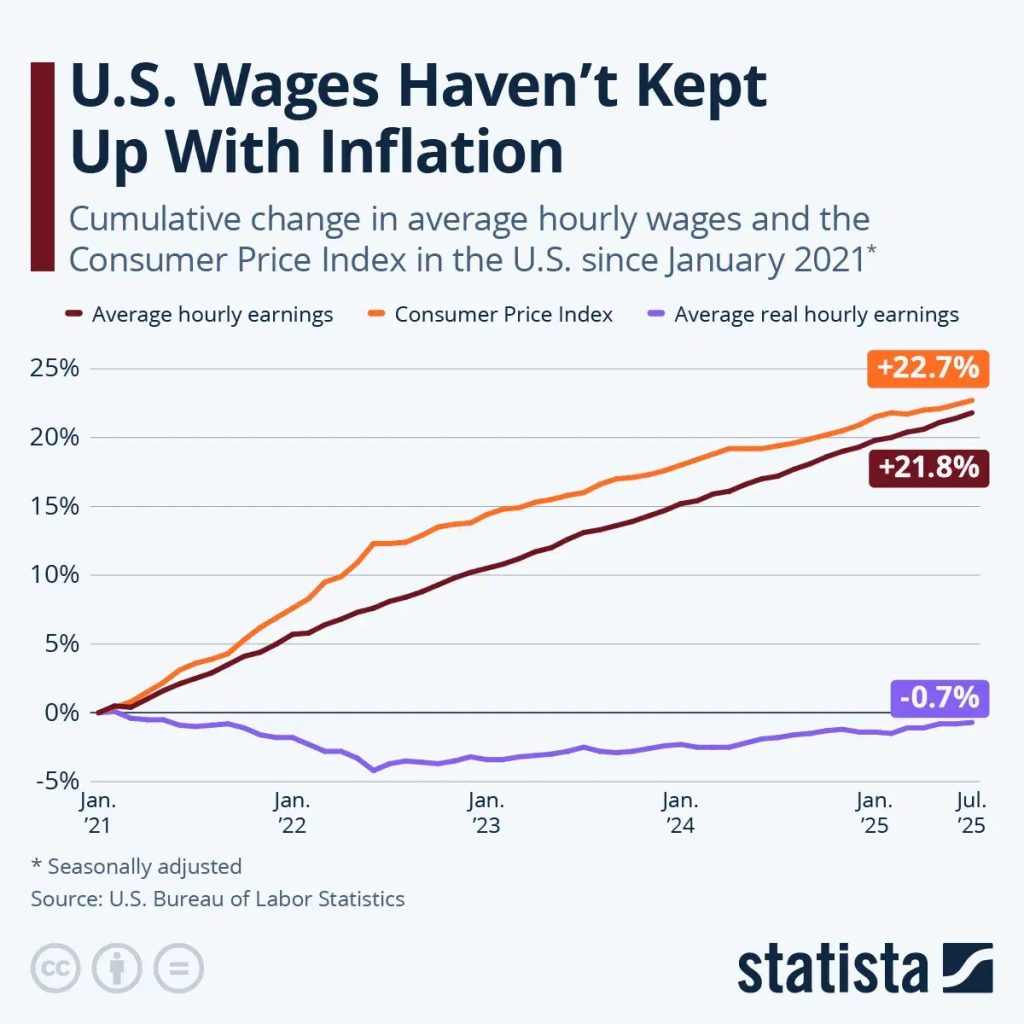
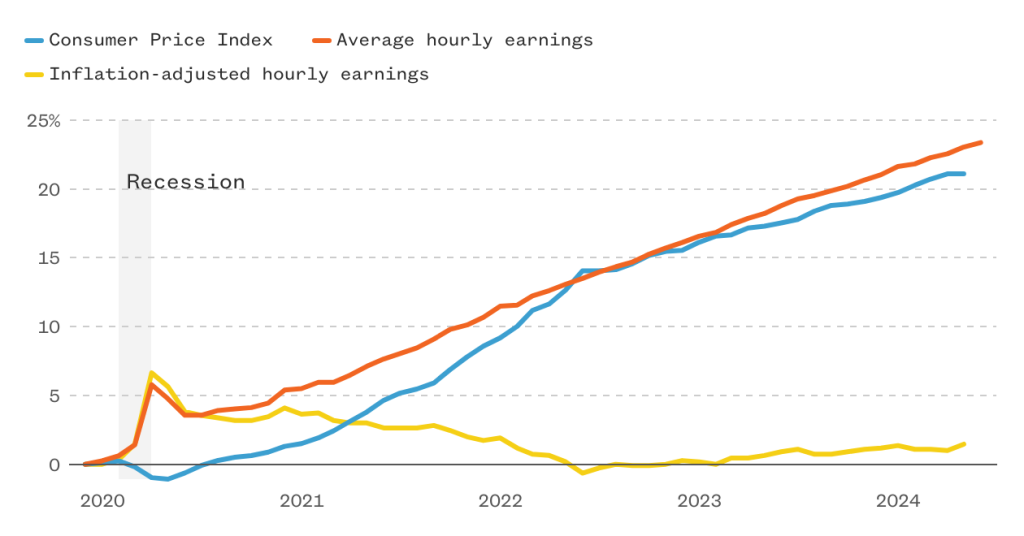
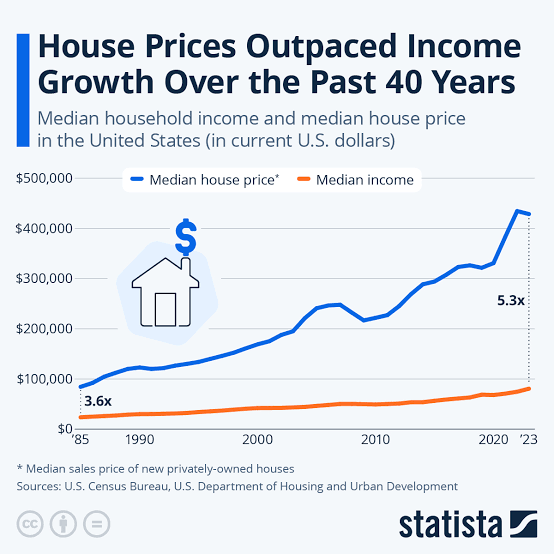
The following chart shows how pay for most workers has differed from the compensation rate of CEOs. The position of CEO is an example where pay has correctly risen with inflation and increase in GDP. We feel there should be no reason the average worker is left behind, when all employees contribute to the success of a company and economy. Our currency is structured so your wages never lag pace from where they should be, and that is rising with the success of the company, or at the least not falling behind inflation to where you are actually getting poorer.
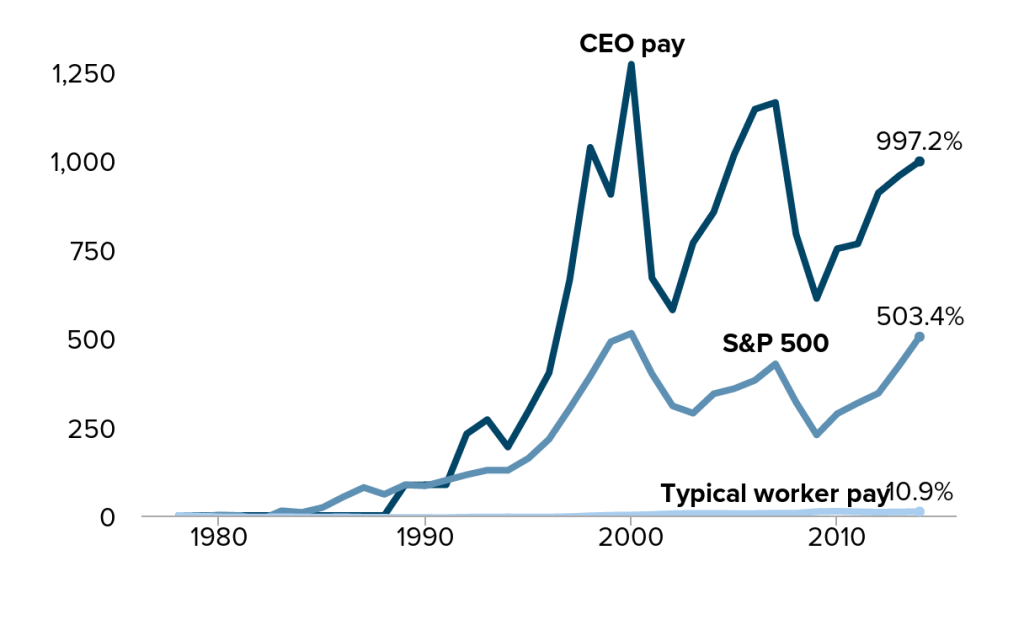
With our currency, and within our economic ecosystem, the same calculations that are done to increase CEO pay are done for all the rest of the employees as well.
A policy that prioritizes inflation, such as the current Federal Reserve policy, causes everyone within the economy to adjust each year as prices go up while real value remains unchanged. This process of adjusting to the changing money supply and increasing inflation while real value stays the same is an expensive and time consuming process. What happens is CEOs and those with more resources are able to adjust faster, leading to their wages stating on pace with inflation, while those who don’t have the resources are slower to adjust, and in some cases may never adjust their wages to match inflation. We make sure that doesn’t happen to you. Protect your value. Join our ecosystem, and use RE, Real Equity.

Here is an example of what our team looks at to maintain a stable currency value. The following chart shows the changes in price of various goods and services over time. Some have gotten cheaper, while the majority, and overall inflation level has gone up.
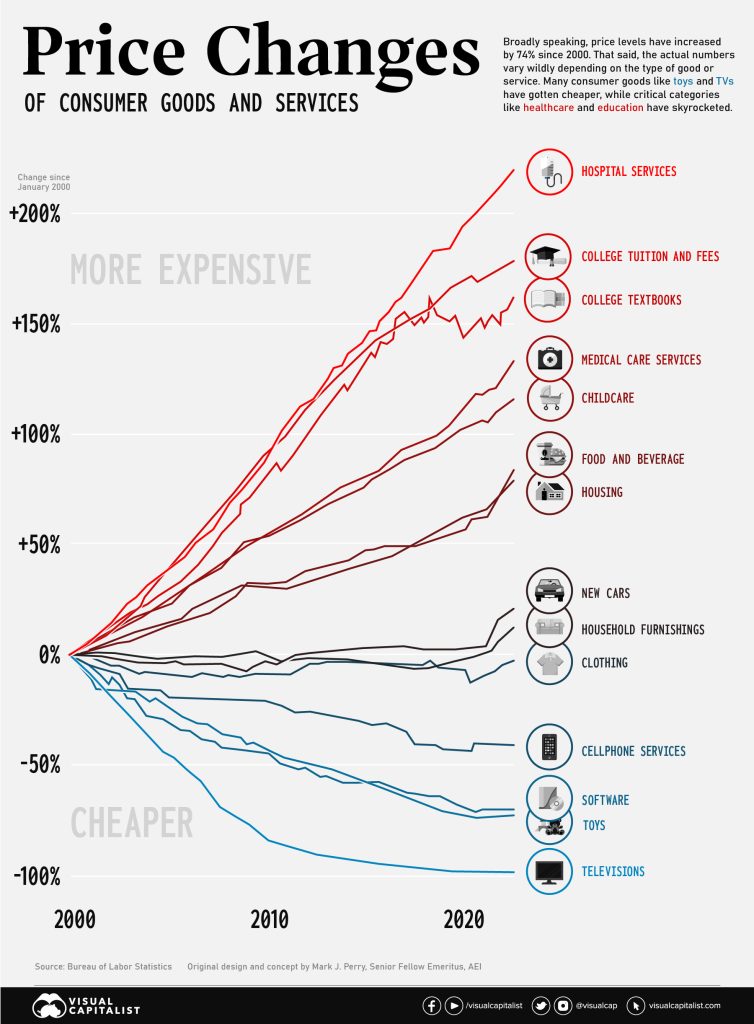
The overall price level has risen 75% over the 20 years displayed in this graph. That’s almost a doubling of prices. Many technology products decreased in price, clothing and furniture stayed relatively the same, while systems including education and healthcare have seen their prices rise at the highest and fastest rates. Taking things like education and healthcare into your own hands can reduce dependency on poorly managed systems. We advocate for maintaining a healthy lifestyle, avoiding the numerous chemicals and poisons that are unfortunately in our environment, and educating yourself through books and online tools that can be accessed affordably.
Healthcare and education are both areas that the federal government attempts to be involved in, bringing with it the same mismanagement that affects the US dollar in general. Many of the strategies that we employ within our ecosystem, we freely share with government so they can learn from our success.
Food and housing are two areas that are unavoidable, and both have risen around the average inflation level of 75% within the timeframe shown above. With our ecosystem, you are protected against rising housing costs, as we pass that value back on to you as it is a major core of our RE ecosystem.
Within the food category, there are different foods inflating or changing prices at different rates. We examine these rates, and then formulate a response plan. If prices have gone up significantly in a certain area, we are able to deploy resources to increase production of that good, or reduce dependency on that good, to bring the demand and supply back into balance and in the process correcting the price level. The graph below shows how many areas that faced inflation in 2023 were able to significantly decrease that inflation by 2024 through the proper responses.
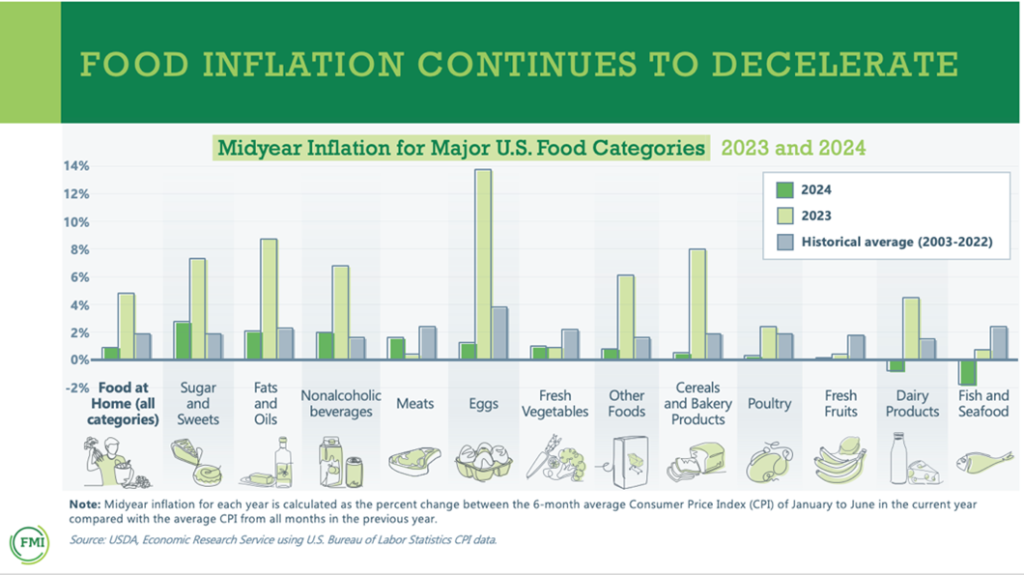
Our team is constantly monitoring any changes in real value and the real cost of goods and services, and we’re slow to manipulate our currency to mask those changes. We focus on fixing economic and value problems first, because bringing in monetary policy when those things aren’t addressed first can make everything more difficult and harder to fix.
The two main sources of prices increases are 1. value increases, and 2. monetary (non value) increases. The first happens when a product truly becomes more valuable and worth more (to the average person). The second happens when products aren’t growing more valuable in the eyes of the consumer, but prices still increase due to excess money and currency casing inflation. The second case is much more common than the first and is responsible for the vast majority of price increases. There is also a third case, in which a product faces decreased availability while not growing in value. And the fourth case which is increases in administrative costs such as what can happen in the healthcare and education systems.
Let’s examine the rare first case, where a product truly becomes more valuable over time. A great example of this is art or other collectibles. These things truly gain more value each year as their legacy continues to grow. Not only are they rare, but their cultural impact continues to grow leading to value increases. Rare comic books like the early issues of Superman are another good example, as we have seen that cultural impact grow and increase over time. It’s also made more valuable by the fact that many of the comic books from the early period have deteriorated, causing the surviving ones to increase in rarity. But it’s not the rarity that defines the first category, it’s the increasing cultural impact. Just because something is more rare, doesn’t necessarily mean it has become more valuable in terms of inherent value, so be aware of that.
The second type is the most common. When a government prints more money either to pay its bills or distribute it into the economy, new money floods in to purchase the same goods that have not increased in value. Because there’s more money out there, prices are bid up, leading to inflation, which of this type is almost never necessary.
The third situation is more of a real challenge to solve. The reality is, with 8 billion people now on this planet, some resources are inevitably going to be stretched thinner. One of these is land. Land has not grown more valuable or more appealing to us, and even with a well managed currency, if your population is increasing and each of those people need space and a place to live, land will have to be used to provide that. Since we have seen no major increase in the amount of land available that means, it has to get divided into smaller and smaller pieces. This means that the space one person was able to have 100 years ago, could be needed for multiple people today, causing the price to go up.
The final category that can increase costs and prices are excess administration, sometimes required by law, other times accumulating from mismanagement. An increasing population doesn’t have to mean increased and costly bureaucracy. There are ways to do things more simply and efficiently. We here are experts at reducing those costs.
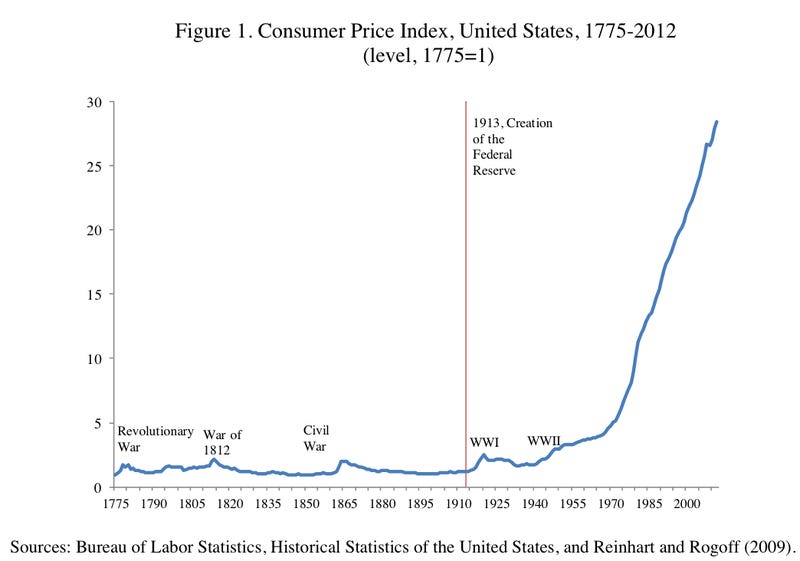
The graph above displays the Consumer Price Index which measures inflation over a more than 200 year time period. The type of inflation that we have grown accustomed to within the most recent decades is not in fact the norm. The vast majority of our county’s history saw inflation under control. Our currency models it’s stability after that time period, in the US when inflation was low or non-existent. During that period the average cost of a home was around $5000, and the average salary was around $550. That amounts to around nine years of salary needed to pay for the home, but with living expenses it would take more like two to three times longer than that or around 20 to 30 years, which is normal. To make things match more closely to what things cost in current dollars, our currency takes the traditional dollar value and multiplies it by 10. That means the average home today costs about $RE 50,000 of our currency. The average salary today would be around $RE 5,500 or nearly $RE 450 per month.
Since our symbol is not yet a keyboard character, we will use $RE to represent dollars of our currency, and ¢RE to represent cents. One US dollar today is worth around 2 and a half cents in the low inflation period. That means a dollar in our currency would be worth around 25¢RE.
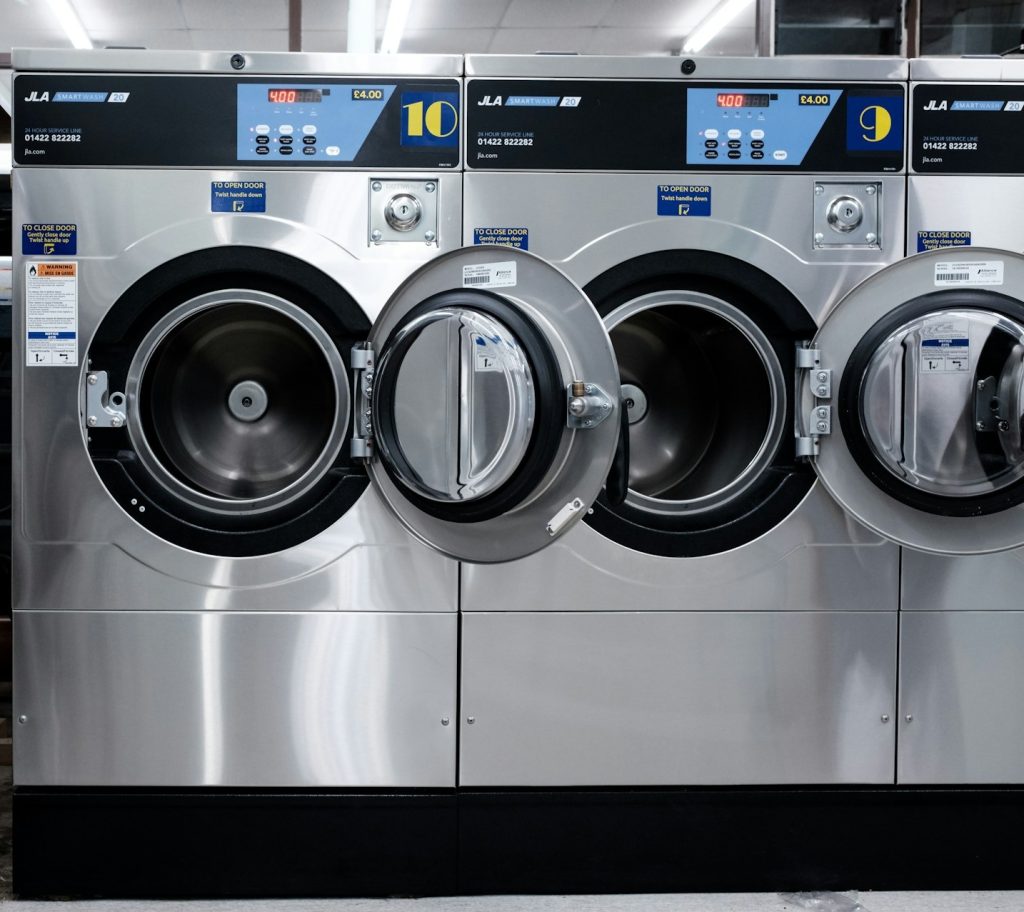
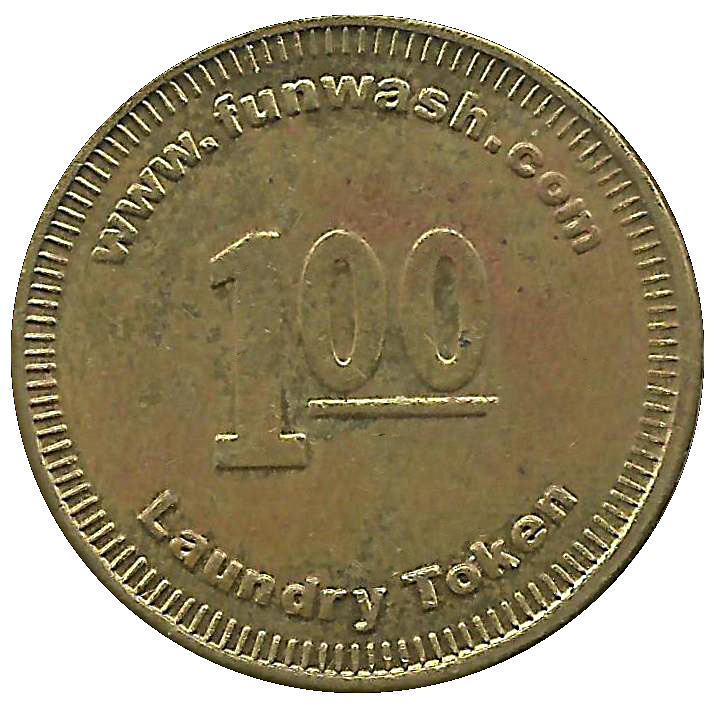
Let’s use the example of laundromat. The typical cost of a load of laundry in the United States is about $3 to wash and $2 to dry for a total of $5. With our currency this cost is reduced to 75¢RE to wash and 50¢RE to dry, for a total of $RE 1.25.
We are constantly monitoring economic conditions to stay aware of any changes in economy that we may need to respond to in order to maintain a stable currency. View our Center for Economic Studies to learn more about what issues we’re currently focusing on.

contact@refor.sale
To join a community that operates with this currency, view our currency communities.