Bonds have been around since ancient times, with records of transactions found in Sumerian clay tablets that date back over 4000 years. However, the modern history of securities begins around 400 years ago with the creation of the first stock exchange, which was centered around one main company: the Dutch East India Company. Officially known as the United East India Company, or Vereenigde Oostindische Compagnie (VOC), this company famously became one of the wealthiest in history, with a networth of over $7 trillion dollars in today’s money. But how did they amass this wealth, and what was Dutch East Indies?
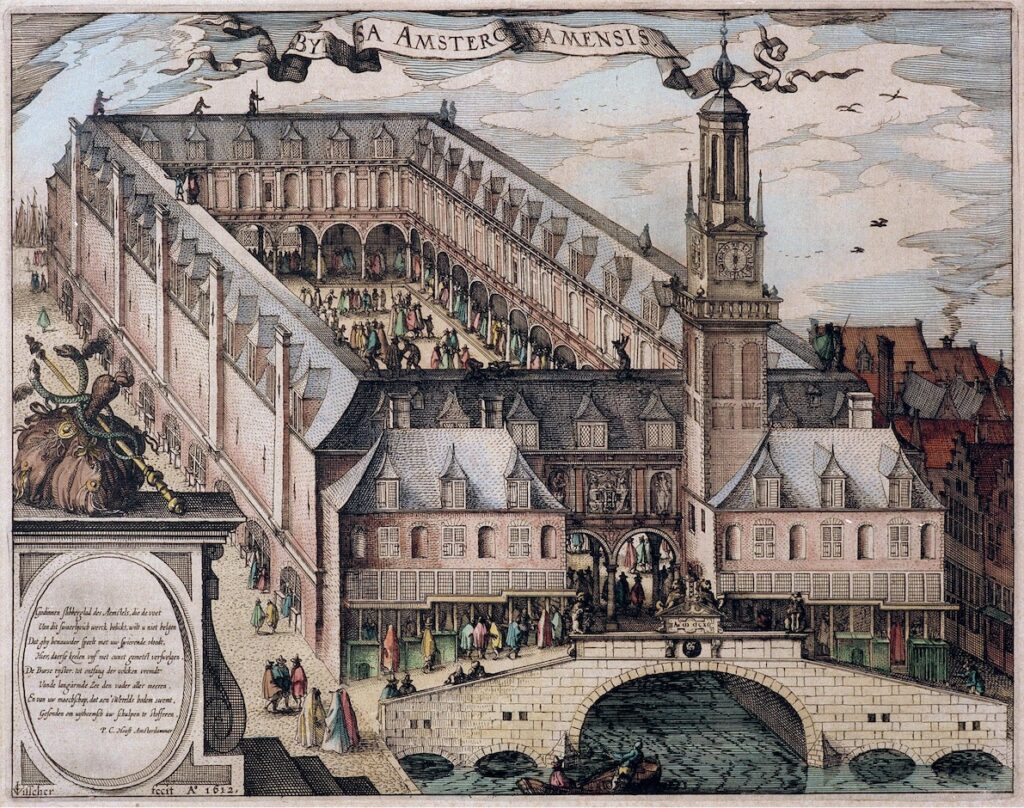
The Dutch East India Company was officially formed by the Dutch government, merging multiple companies together into one large entity that could compete with Spain and Portugal. The company was a success for the country, bringing in wealth and resources. The company was one of the first to issue stocks and bonds on an exchange, and is often looked to as a success and example for others in business and the corporate world to follow. But the truth is that the wealth this company amassed wasn’t earned, it was taken forcibly from people and lands in other parts of the world that the Dutch tried to claim ownership of. The crown jewel of this ownership was the Dutch East Indies, which today is the country of Indonesia.
At its peak, the Dutch East India Company, through its official powers granted by the Dutch government, formed and claimed territories in a vast area of what is now India, Sri Lanka, Vietnam, Indonesia, and others. Many wars were fought by native people attempting to gain back control of their own land. But unfortunately the very wealth extracted from them was able to finance the forces that defeated their attempts. It wasn’t until three hundred years later that the Dutch finally returned control of Indonesia back to the indigenous people after facing international pressure.
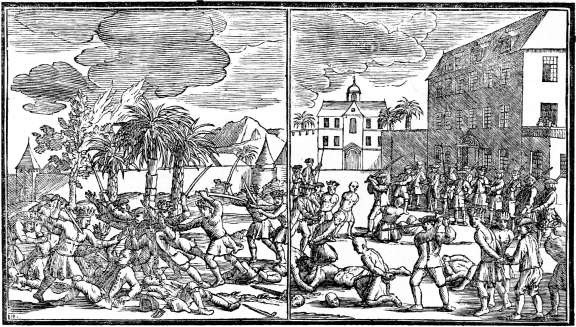
Thousands were killed during the company’s quests for land and money, resulting in many tragic incidents including the Banda Islands Genocide, the Batavia Massacre, the Amboyna Massacre, and more. The company finally ended operations after 200 years, but by then the legacy of financing exploitation had already been sealed, with the British East India Company and many others following in their footsteps.
Slavery was one of the worst those, but even today elements of that original toxic legacy endure in the business and finance worlds. But that’s where we come in. RE for Sale’s revolutionary approach to everything from finance, to currency, housing, construction, and more, gives power, freedom and ownership back to the people.
We are debuting a brand new securities product. Forget about the toxic history of stocks and bonds we just talked about. Now is an opportunity to begin with a clean slate, and set the tone we want the world to see in the next 400 years. Do we want to continue the toxicity? Or do we want to reject that and adopt a new approach? Visit refor.sale/securities to learn more about our current offerings.