Join the Building Material Growers Program
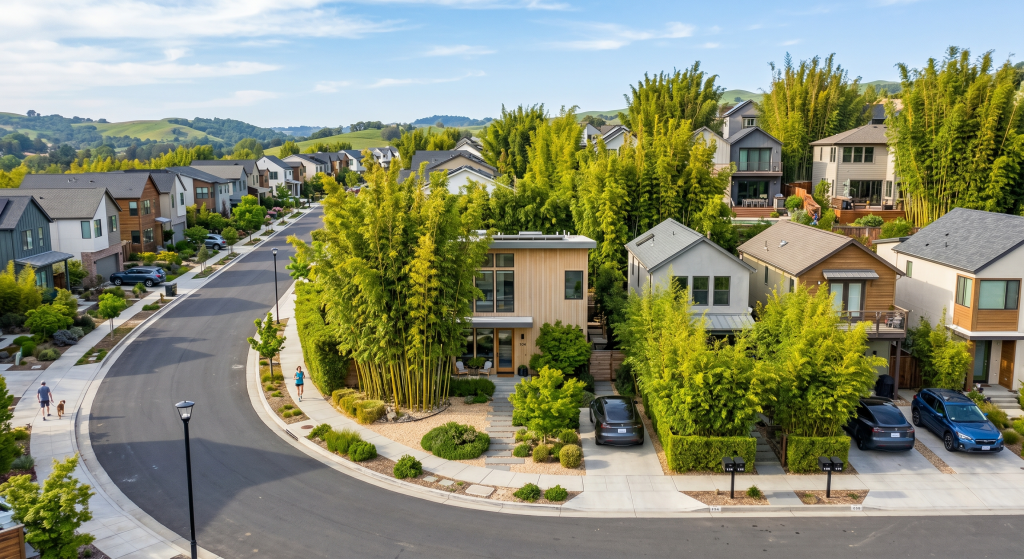
Stop wasting land growing toxic fruits¹ or yards of grass that don’t produce much value. In these times where many areas are facing housing crises, there has never been more demand to lower the cost of housing.
We’re proud to announce a new program that will solve the crisis: the Building Material Growers Program. Utilizing all land and space available, both on commercial and residential properties, to produce fast-growing building materials, right where they’re needed.
Bamboo is the fastest-growing plant in the world, with some species growing over a meter per day. Bamboo is known for its high strength-to-weight ratio, often exceeding timber and steel. Bamboo easily grows in a variety of climates, and can grow in both large and smaller areas. Consider planting bamboo and becoming a Building Material Grower.
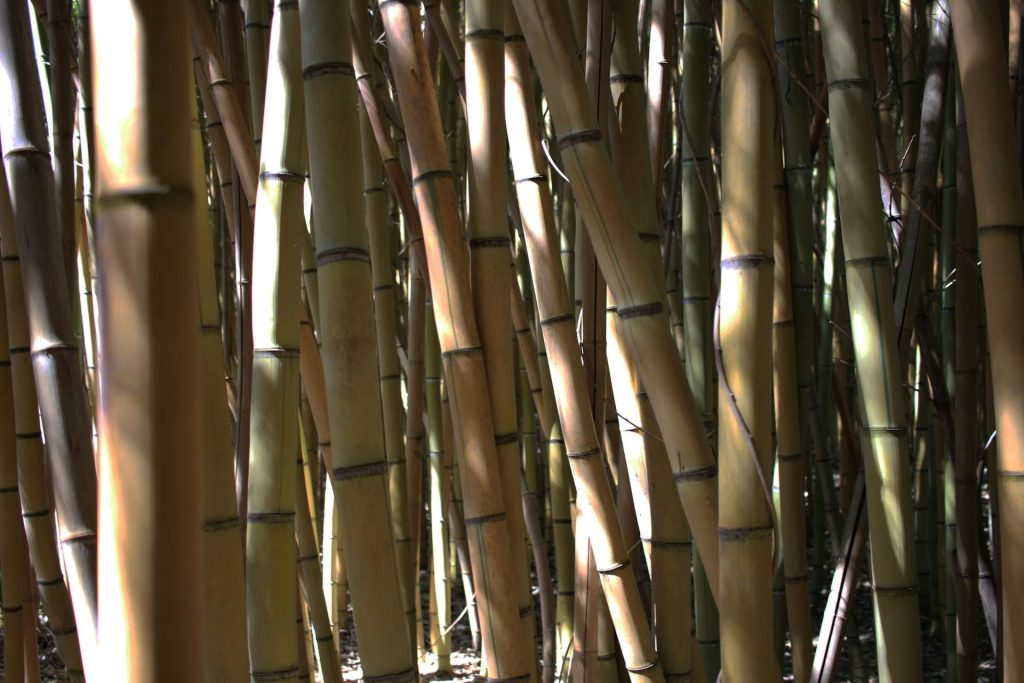
Once the materials are ready for harvesting, you can either harvest and sell them independently, or you can participate in our network of distribution. Our BMGP distributors will arrive to your site and pick up the harvested materials, giving you cash in exchange. Although the mission is to lower the cost of housing, growers receive compensation for the cost of growing materials. The harvested product will then go to processing and be sold to construction companies.
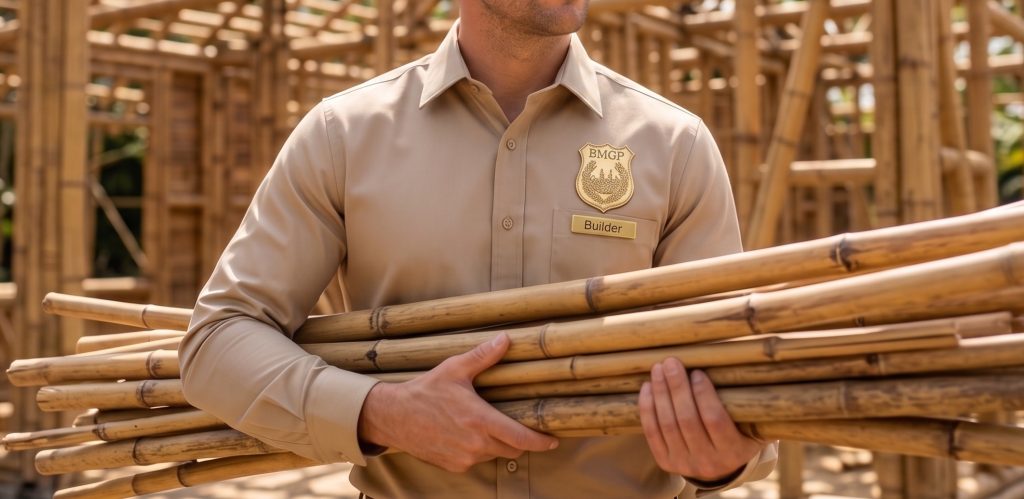
We also have our own building program within the BMGP that constructs housing and other structures completely from the materials grown in the program.
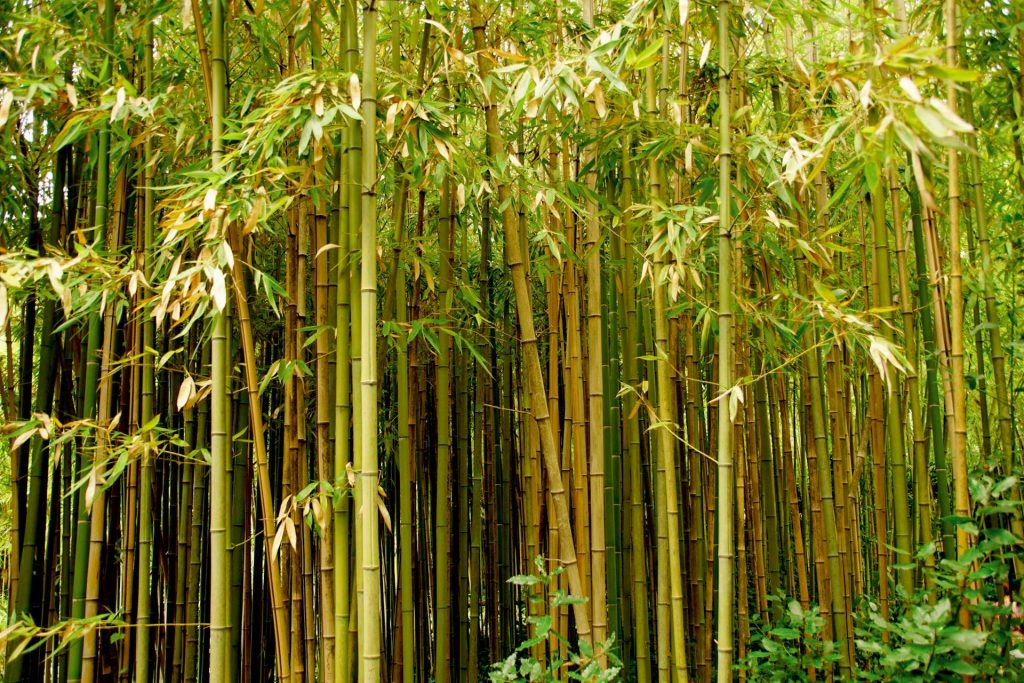
There are over 1,800 species of bamboo, and outside of bamboo there are many other plants useful for building as well, giving you plenty of options to choose from. Each year we award a “Grower of the Year” and it’s more than just about quantity.
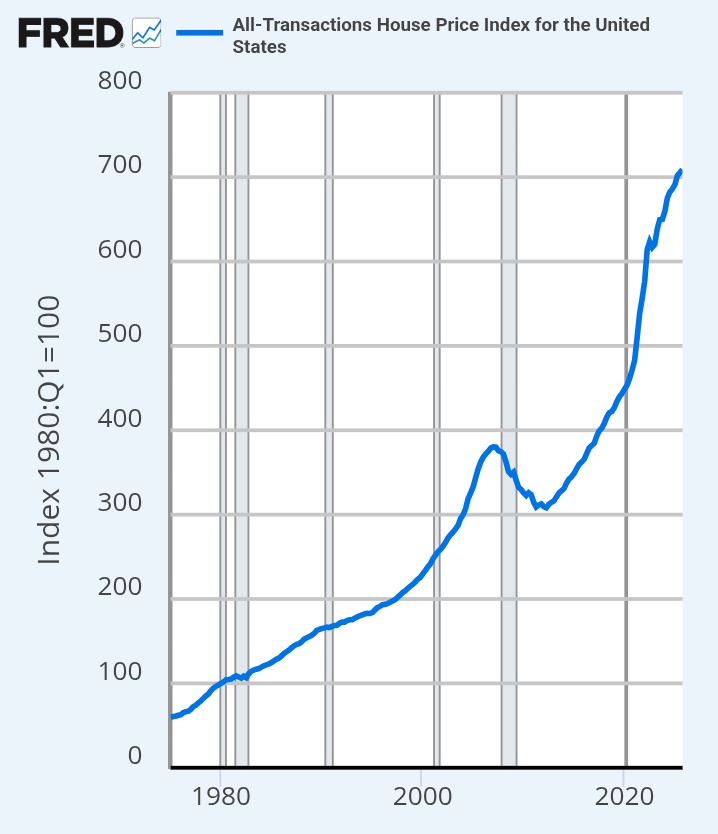
The following charts show how the price of lumber and iron ore, two of the most common building materials, have risen dramatically in recent times. The price of these inputs rising causes the cost of housing to rise as well. Introducing bamboo or other fast-growing plants that can be used as building materials through the Building Material Growers Program will create a new pattern in the economy, where prices begin to go down and affordability increases again.
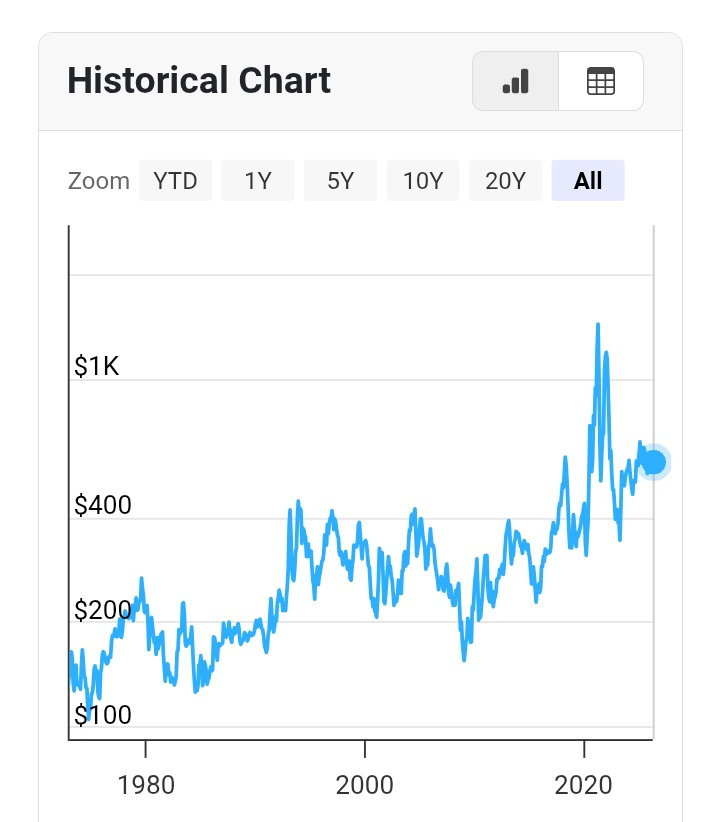
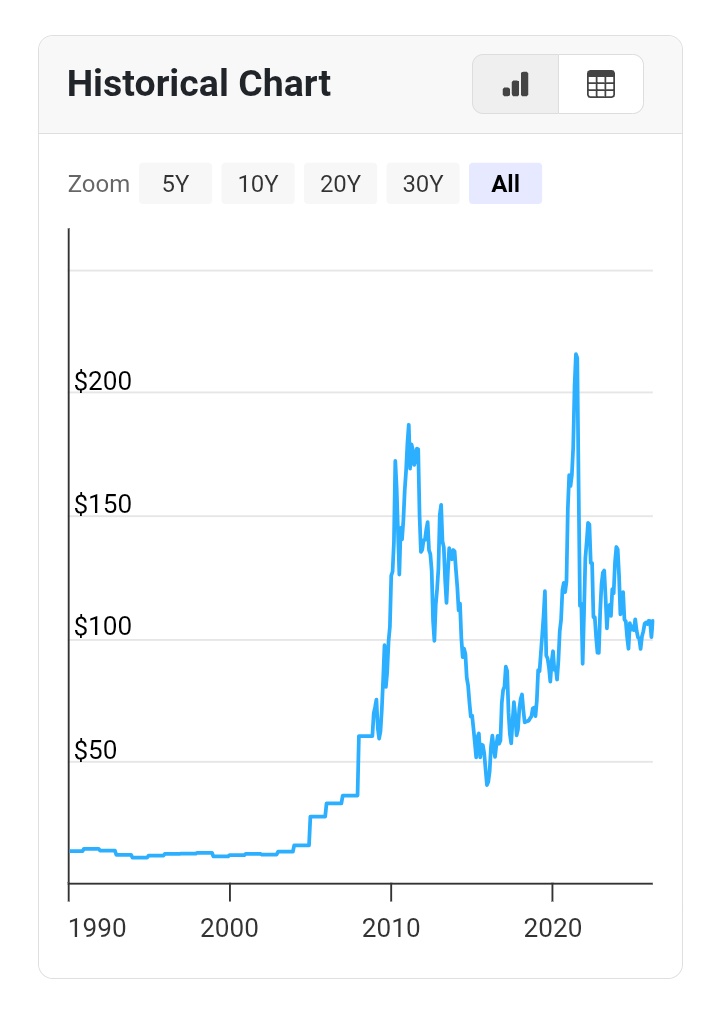
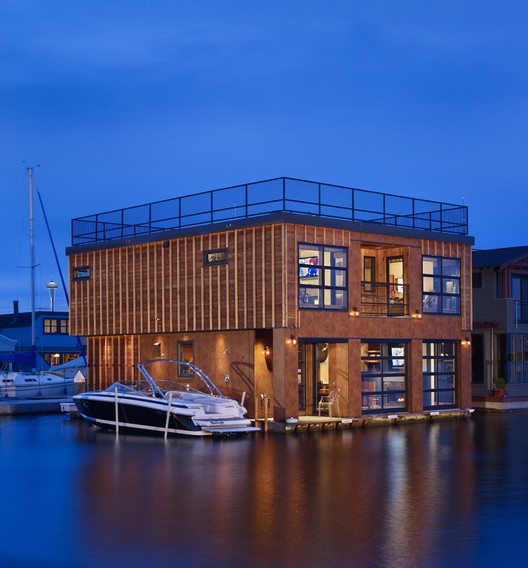
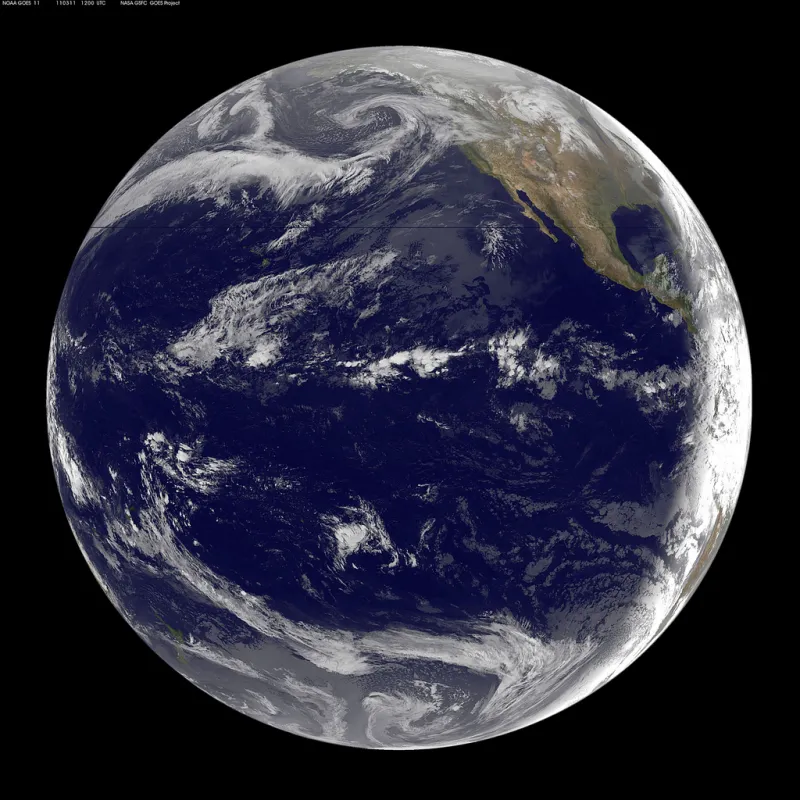
Land is commonly a major portion of the price of housing. However with modern technology and lifestyle choices, many homes are now completely on water, a much more plentiful and cheaper surface to own, covering over 70% of the Earth. This makes the cost of materials the most important piece of housing today.
Protect our economic security. Support and join the Building Material Growers Program.
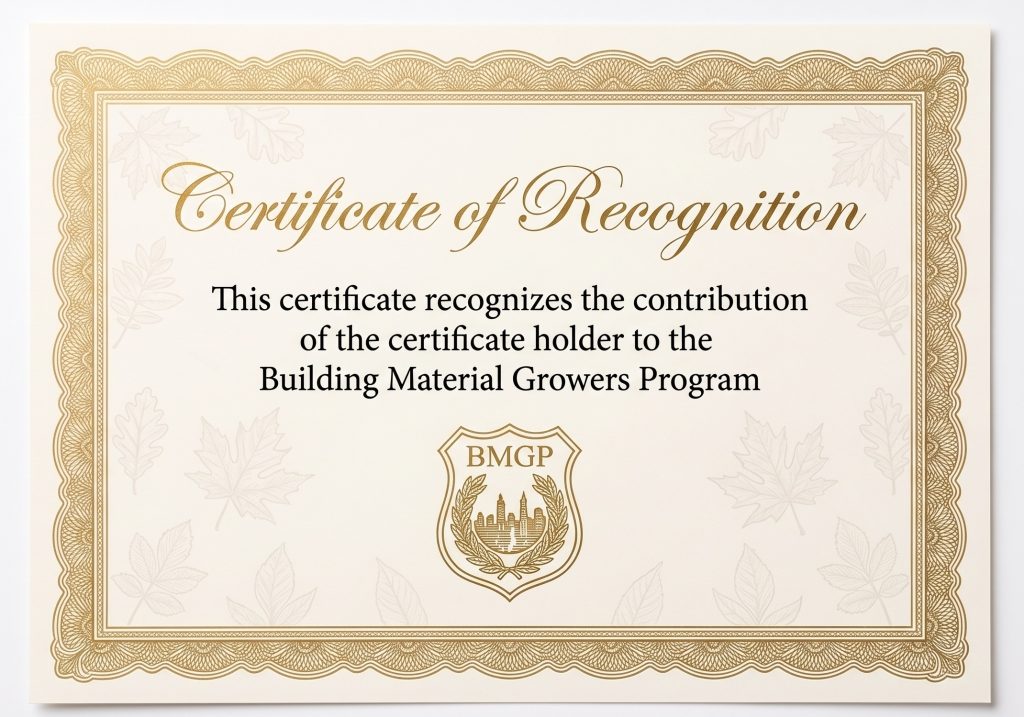
Certificates now available for purchase.
Did you know there is a type of bamboo that is native to the US? View more about it here: https://www.nps.gov/articles/000/rivercane.htm
¹More about the dangers of growing fruits
Fruits contain a type of sugar called fructose. Fructose is different than sucrose and other types of sugars, and is harmful. View studies on the harms of fructose here: https://www.mskcc.org/news/high-fructose-diet-harms-neurodevelopment-and-leads-to-anxiety-in-mice-msk-study-finds, https://pmc.ncbi.nlm.nih.gov/articles/PMC5705281/, https://escholarship.org/uc/item/5q7666gh Despite the research, the FDA continues to allow fructose in foods sold in the United States. We are calling on the FDA and government to ban fructose and products containing it from being sold in stores.
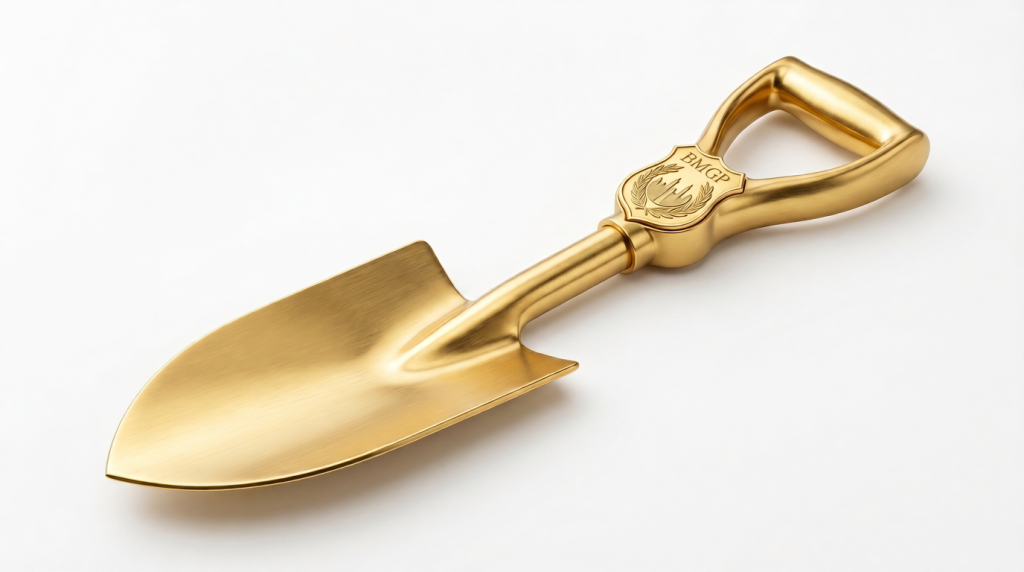
Purchase a gold BMGP shovel, available in limited quantity. Proceeds go towards the program. Also available, a BMGP case.

What species of Bamboo are best for building?
Guadua angustifolia: Widely considered the gold standard and the strongest bamboo in the world. Native to Latin America, it is highly prized for its exceptional tensile and compressive strength, making it ideal for housing and earthquake-resistant structures.
Dendrocalamus asper (Iron Bamboo): A massive timber bamboo native to Southeast Asia. It features very thick walls and is celebrated for its ability to bear heavy structural loads.
Bambusa balcooa: A resilient clumping variety popular in tropical and subtropical regions. It is highly valued in the construction industry for its robust, thick-walled poles and impressive biomass.
Phyllostachys edulis (Moso Bamboo): The most common timber bamboo used in cooler/temperate climates. While slightly less dense than tropical species, it is the primary species used globally for manufactured bamboo flooring, decking, and engineered lumber.
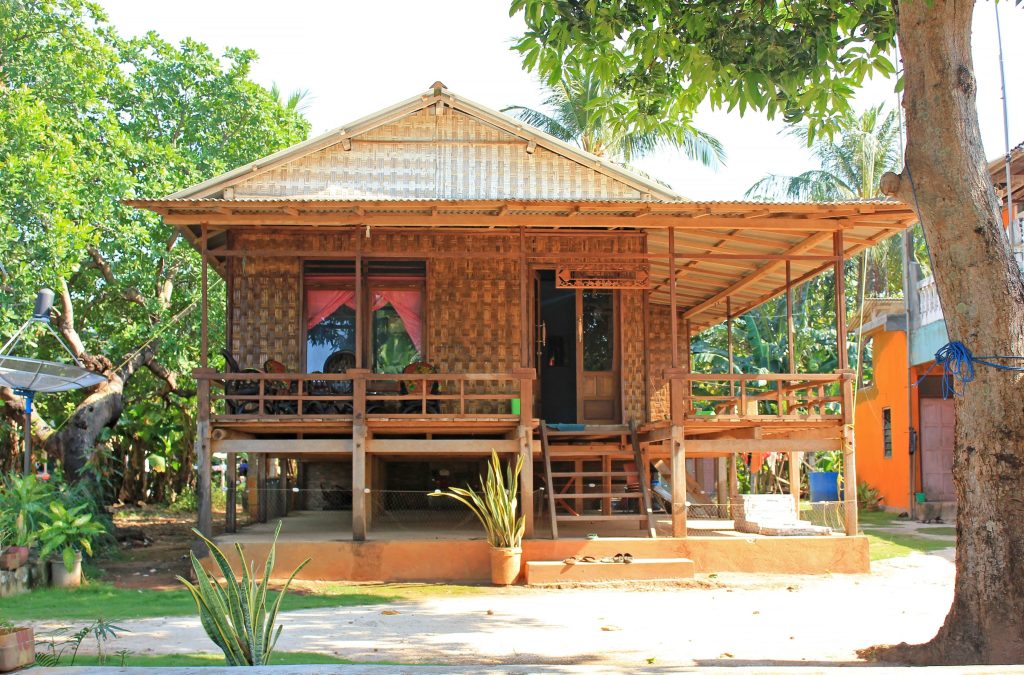
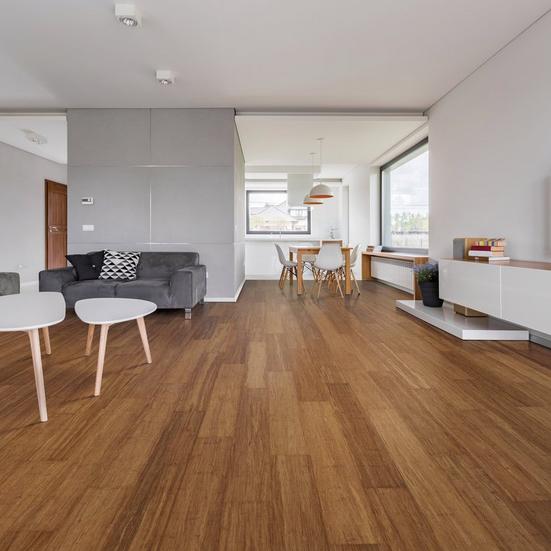


The Building Material Growers Program Guidebook is coming soon. It will contain more information on the different species of bamboo and other plants, growing strategies and methods, and information on processing and construction.

Excerpts from the Building Material Growers Program Guidebook
Carbonization
Carbonization gives the bamboo a warm darker tone, and improves the material’s durability and water resistance. The carbonization process involves heating the bamboo to temperatures of 1,800 to 2,200 degrees Fahrenheit in a limited oxygen environment. The lack of oxygen prevents the bamboo from burning and instead causes the fibers to thermally decompose. This decomposition process causes certain organic compounds to be removed, which changes the material’s color and physical properties.
Growth Rates
| Species | Growth Rate |
| Madake (Phyllostachys reticulata) | 47.6 inches (121 cm) per day |
| Moso Bamboo (Phyllostachys edulis) | 46.8 inches (119 cm) per day |
| Tropical Giant Bamboo (Dendrocalamus asper) | 35 – 40 inches (90 to 100 cm) per day |
| Oldham’s Bamboo (Bambusa oldhamii) | 12 – 24 inches (30 – 60 cm) per day |
Anatomy of a Bamboo Plant
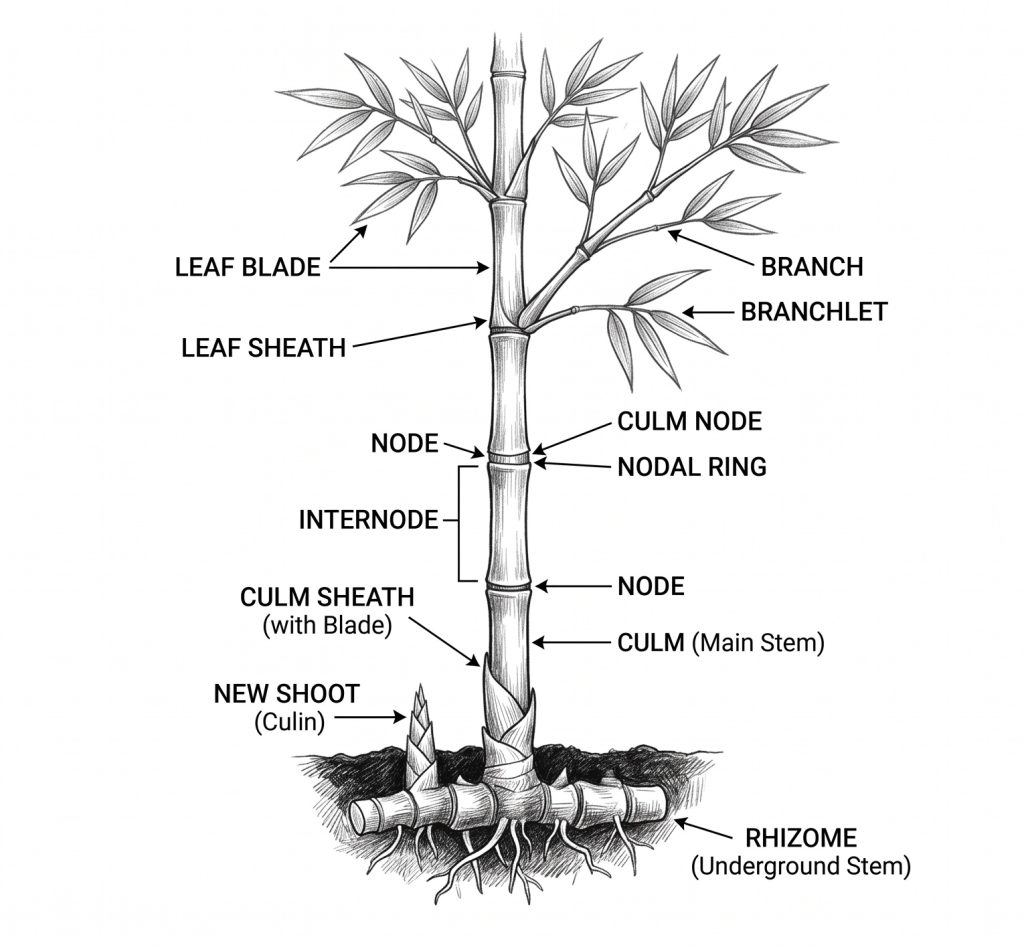
Bamboo Chemical Composition
Bamboo Chemical Composition
Cellulose: 70% – 74%
Hemicellulose: 12% – 14%
Lignin: 10% – 12%
Extractives (proteins, waxes, and pectin): 2% – 3%
Wood (for comparison)
Cellulose: 40–50%
Hemicellulose: 20–30%
Lignin: 21–23%
Protein: 0.2–0.5%
Mineral matter: 1–5%
Woody Volume Per Stalk
Giant Timber Bamboo (Bambusa oldhamii): Grows 40 to 50 feet tall with a 4-inch diameter. An average stalk produces around 2 to 3 cubic feet of woody volume.
Moso Bamboo (Phyllostachys edulis): Grows 50 to 75 feet tall with a 4 to 6-inch diameter. These stalks yield about 3 to 5 cubic feet of woody volume.
Tropical Giant (Dendrocalamus giganteus): Up to 100 feet tall with a massive 10 to 12-inch diameter. A single stalk can produce between 8 to 20 cubic feet of woody material.
(1 cubic foot = 12 board feet)
View more from the Guidebook here.
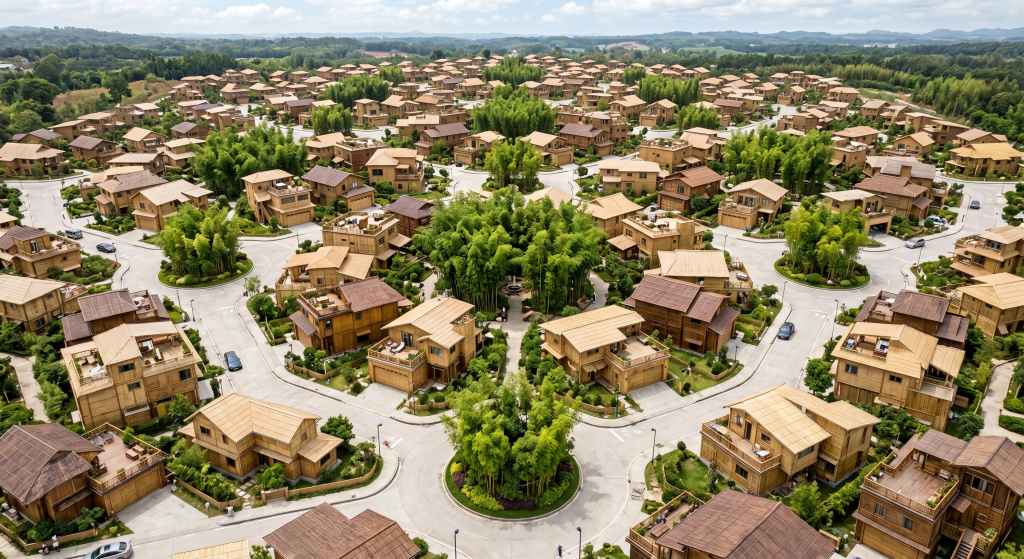
Our residential community, demonstrating the possibilities for modern bamboo architecture, is now open for investment.
contact@refor.sale
In addition to building market-rate housing with these materials, we also have the possibility to use the materials we produce to construct low income and affordable housing easily, and permanently end homelessness in the United States, and other countries around the world.
From the Guidebook excerpts we can see that bamboo contains more cellulose and less hemicellulose than traditional wood lumber. The molecular structure of hemicellulose is shorter, branched, and less rigid than cellulose, making it more easily broken down. The unit of measurement for the lumber market is MBF or thousand board feet. One board foot measures 144 cubic inches.
Current Lumber Price: $625 to $630 mbf
A person growing a tropical giant at the maximum amount of production would only need four individual bamboo stalks to produce nearly 1 mbf which sells currently for around $630. While making money is a benefit, one of our major goals is to get the cost of construction and housing down. A 20% reduction in the price to around $500 per mbf is something that we support, while still being able to make money.
re4.sale/bmgp